
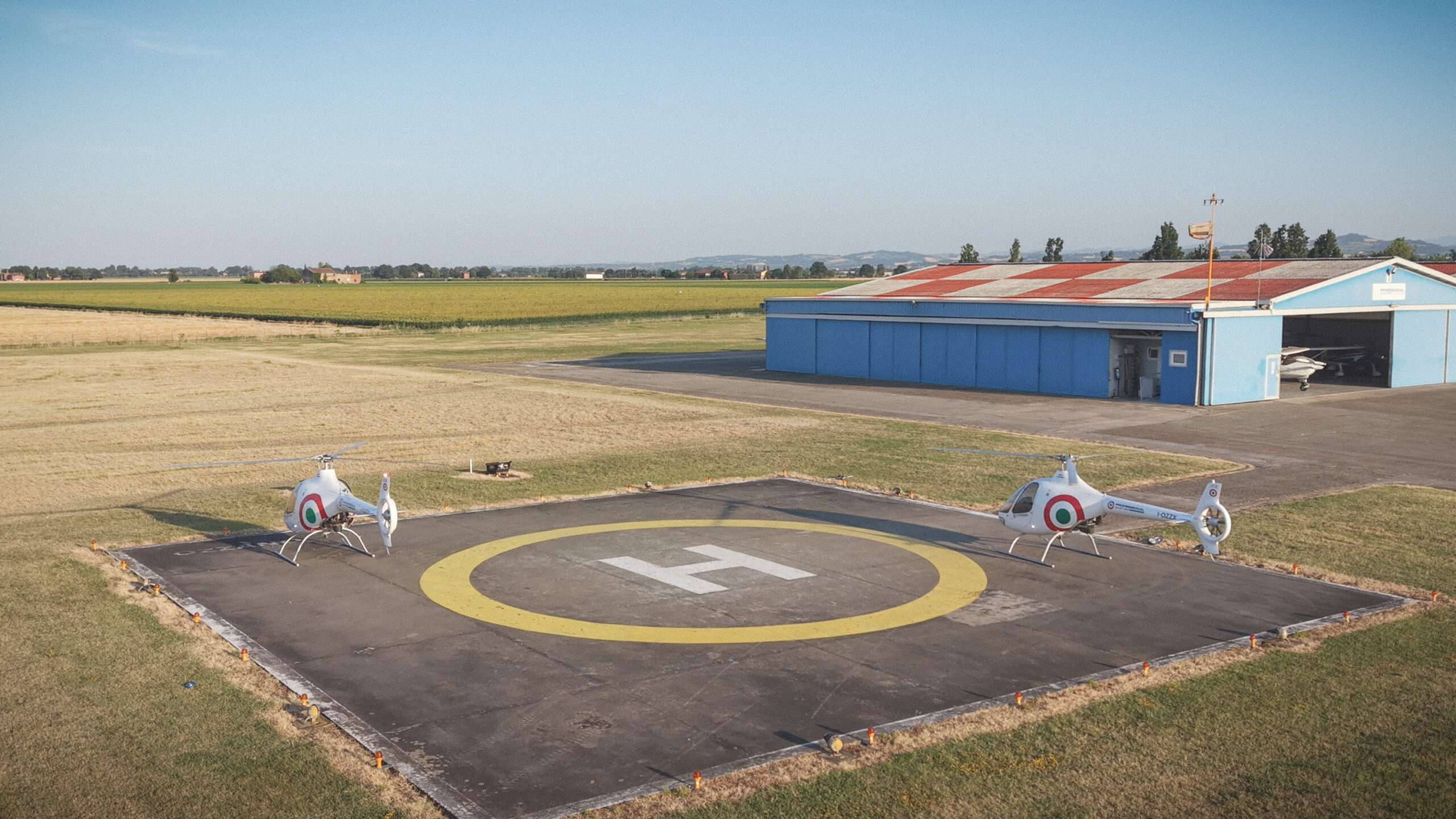

Excellence in Helicopter Flight Training
Professional Aviation Academy’s helicopter pilot training programme, approved by ENAC and delivered in accordance with EASA standards, is designed for those who want to turn a passion for flying into a professional career in the rotary-wing aviation industry.
The programme combines theoretical instruction, practical flight training, and operational preparation, equipping students with the knowledge, skills, and confidence required to operate safely in a wide range of professional helicopter missions.

A Career Built Around Missions That Matter
A career as a helicopter pilot offers the opportunity to operate in one of aviation’s most specialised sectors, where professionalism, precision, and sound decision-making are essential.
From HEMS (Helicopter Emergency Medical Services) and offshore operations to aerial firefighting, VIP transport, and other specialised missions, Professional Aviation Academy prepares future pilots to meet EASA standards and the evolving demands of the helicopter industry.
What You’ll Study: ATPL(H) Theory Subjects
The core of the ATPL(H) theoretical training covers 13 essential subjects, designed to provide the technical knowledge and professional mindset required for a career as a commercial helicopter pilot.
Advanced study of helicopter systems, onboard equipment, and the technical operation of commercial helicopters.
Advanced aerodynamics and flight physics applied to commercial helicopter operations.
Advanced study of EASA regulations, Rules of the Air, and the legal framework governing commercial helicopter operations.
Advanced aeronautical communications, ICAO radiotelephony phraseology, and communication procedures for IFR operations.
Advanced flight planning, route calculations, fuel planning, and aircraft performance management for professional helicopter operations.
Advanced navigation techniques, route planning, and the use of aeronautical charts for safe and efficient flight operations.
Study of human factors, Crew Resource Management (CRM), fatigue management, and human performance in professional aviation.
Advanced aviation meteorology, including the analysis of synoptic weather systems and their impact on flight operations.
Study of operational procedures, EASA regulations, and best practices for commercial helicopter operations, with a focus on safety and operational compliance.
Study of aircraft flight instruments, cockpit systems, and the operation of onboard instrumentation used in professional helicopter flying.
Study of aircraft loading, weight and balance calculations, and the correct distribution of onboard weight to ensure safe flight operations.
Study of take-off, cruise, and landing performance, including performance calculations and the use of aircraft performance data.
Study of radio navigation systems, including GNSS, navigation aids, frequencies, and the onboard equipment used for en-route and instrument navigation.
What Our Students Say

Choosing Professional Aviation Academy to earn my helicopter pilot licence was one of the best decisions I’ve ever made. The environment is welcoming and friendly, while maintaining the highest standards of professionalism. The helicopters are impeccably maintained, and the flight instructors are not only highly knowledgeable but also approachable and always willing to help.
For someone like me, who decided to pursue a lifelong dream later than expected, this has been the perfect place to begin my journey.
My experience with Professional Aviation Academy has been extremely positive. From the very first day, I found a welcoming, professional, and collaborative environment, with a team that is always approachable, supportive, and friendly.
The Academy offers excellent flexibility in both ground school and flight training, making the learning experience well organised and highly effective. The flight instructors are knowledgeable, experienced, and always willing to help, explaining even the most complex topics in a clear and easy-to-understand way.
Another great advantage is the opportunity to study on campus using high-quality training materials. Overall, I highly recommend Professional Aviation Academy to anyone looking for professional, well-structured aviation training.
My experience with Professional Aviation Academy has been extremely positive. From day one, I found a well-organised academy with a professional environment and a strong commitment to safety—an essential aspect of any aviation training programme.
Another highlight was the excellent maintenance of the aircraft, which were always presented to the highest standards, together with the professionalism demonstrated throughout every stage of the flight training. The instructors and staff were always approachable, supportive, and created a welcoming learning environment.
I also appreciated the flexibility in scheduling lessons and the Academy’s willingness to accommodate students’ needs. I would highly recommend Professional Aviation Academy to anyone looking to complete their PPL(H) in a professional, reliable, and well-organised training environment.
Take the First Step Towards Your Pilot Career
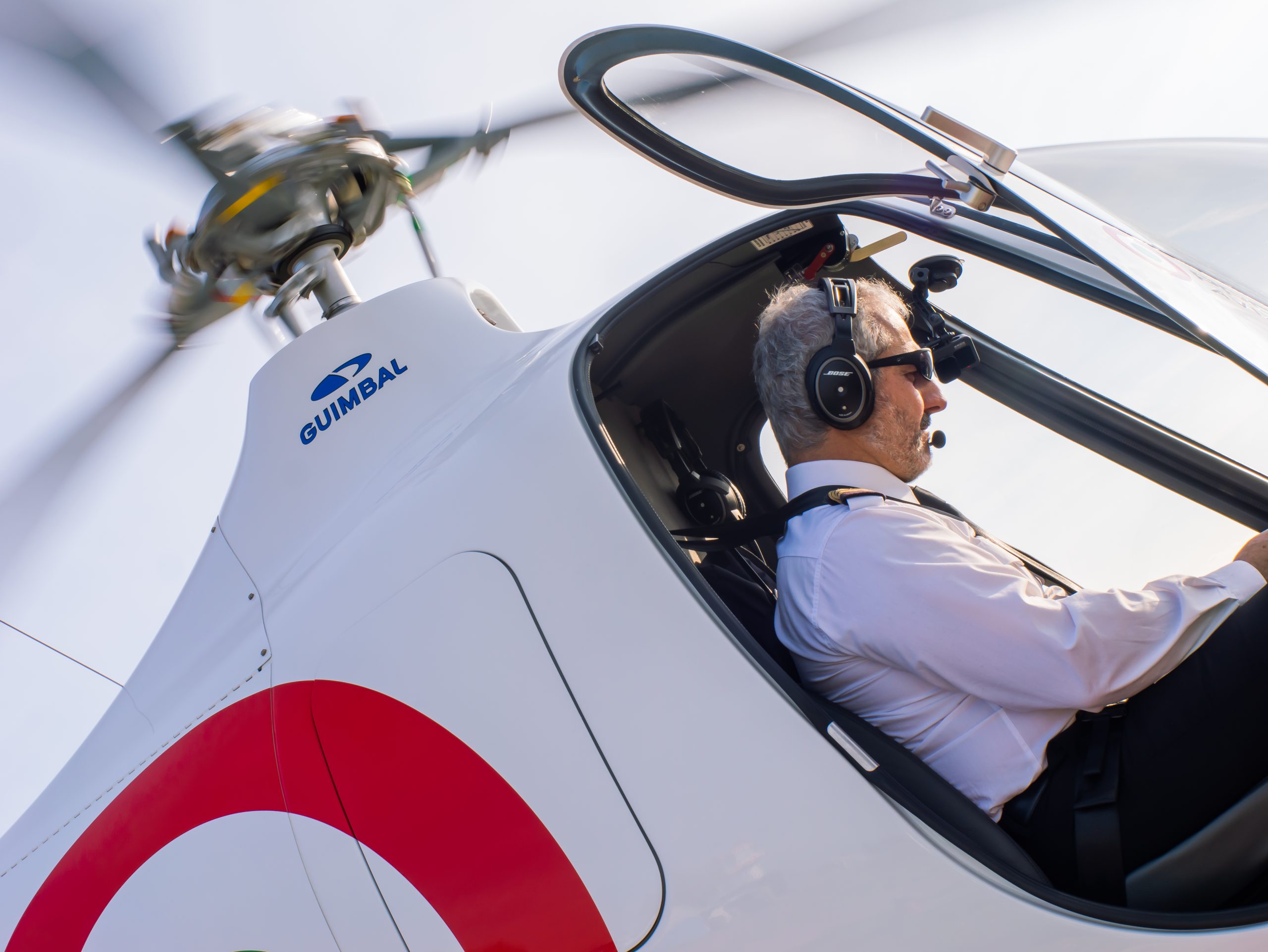
CPL (H) – Modular Course
CPL (H) – Integrated course
FAQs
ATPL ground school covers 13 subjects, including navigation, meteorology, principles of flight, aircraft performance, and operational procedures, in accordance with EASA regulations.
The duration depends on your availability and training pace. On average, it takes around 24 months to progress from zero experience to a Commercial Pilot Licence (CPL), Instrument Rating (IR), and completion of ATPL ground school.
Yes. Every programme combines structured ground school with practical flight training, in full compliance with EASA requirements
Yes. The programme includes the Night Rating, which qualifies you to fly in night conditions.